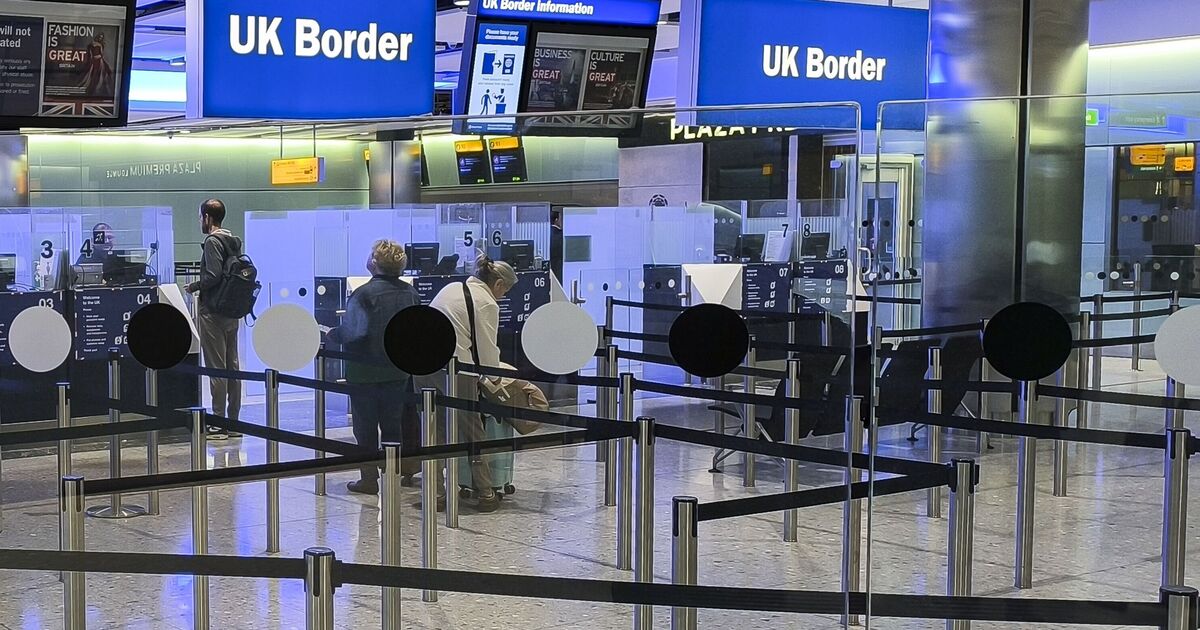

The change especially impacts dual citizens as they will need an ETA in order to travel to the UK. Visitors without an ETA will not be able to board their transport and cannot travel to the UK, unless exempt.
Travellers have been warned ahead of the busiest travel period that a passport renewal will mean your ETA is no longer valid.
An ETA permits multiple journeys to the UK for stays of up to six months at a time over two years or until the holder’s passport expires – whichever is sooner.
Therefore, travellers who renew their passport after receiving an ETA may mistakenly assume their authorisation transfers automatically. That is not the case.
This is because the ETA is digitally linked to the passport used during the application process.
Hence, as well as every two years, a new application needs to be submitted when travellers get a new passport.
Helena Sheizon, immigration lawyer and Director at Kadmos Immigration, says many travellers remain unaware of this.
She said: "EEA nationals often assume that as non-visa nationals they can travel freely to the UK and do not check the ETA requirements.
"In fact, an ETA to the UK is now required. It is a simple application process and shouldn't take more than 20 minutes of your time, but doing this at the airport may be stressful, especially if your flight or train is already boarding."
It is advised to check your travel documentation before heading to the airport to ensure everything is up to date and doesn't cause any delays.
Sheizon added: "One of the most common mistakes people make is forgetting that the ETA is linked to the specific passport used during the application. If you renew your passport, your existing ETA does not transfer across and you will need to apply for a new one.
"We also see confusion among dual nationals who may use one passport when booking and another when travelling. Taking a few minutes to check your documentation before heading to the airport can help avoid unnecessary stress and potential travel disruption."